
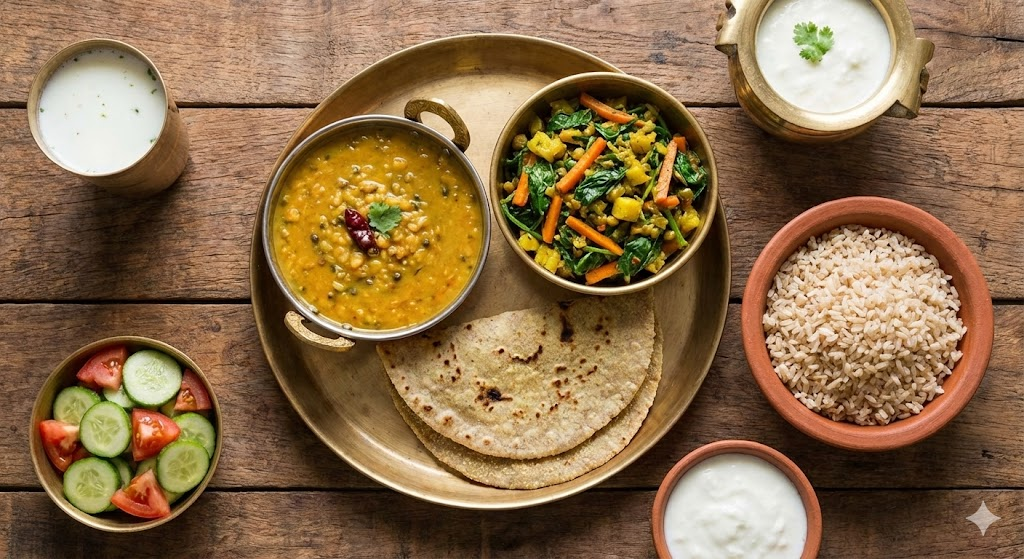
Healthy Indian Eating is no longer just a diet choice — it has transformed into a national movement in 2026. Indians are increasingly choosing foods that make them healthier, improve gut function, boost immunity, and reduce environmental impact. This shift is powered by rising health awareness, social media trends, climate concerns, and a strong return to traditional wisdom.
Today, millets, plant-based meals, local produce, fermented foods, and zero-waste cooking dominate Indian kitchens. This guide explores the top functional and climate-conscious food trends reshaping healthy Indian eating in 2026.
🌾 1. Millets Take Center Stage Again (Functional + Climate Friendly)
Millets like ragi, jowar, bajra, foxtail, kodo, little millet are back in Indian diets — and for good reason.
✔ Why Millets are Key to Healthy Indian Eating
- High in fiber, minerals, and protein
- Gluten-free and suitable for diabetic-friendly diets
- Grow well with minimal water, making them climate-resilient
- Low GI (glycemic index)
Popular Millet-Based Foods in 2026
- Millet dosas & idlis
- Ragi laddoo / ragi malt
- Jowar rotis
- Millet upma & biryani
Millets are now part of menus in restaurants, cafes, airlines, and even tiffin services — showing how central they are to healthy Indian eating trends.
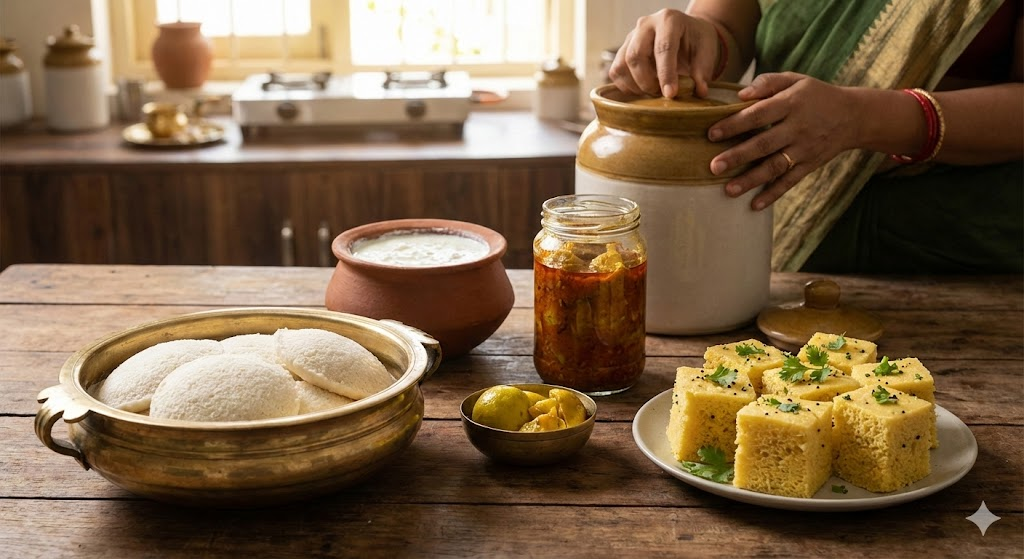
🥛 2. Fermented Foods Become the Heart of Gut-Healthy Diets
Indians are rediscovering the power of fermentation — a practice rooted in Indian kitchens for centuries.
✔ Why Fermented Foods Are Trending
- Improve gut microbiome
- Boost digestion
- Enhance nutrient absorption
- Act as natural probiotics
Popular Indian Fermented Foods
- Idli/dosa batter
- Dhokla & handvo
- Kanji (black carrot drink)
- Achar (fermented pickles)
- Kombucha (western influence + Indian flavors)
- Homemade curd, buttermilk
This directly aligns with the rise of gut-health awareness in India.
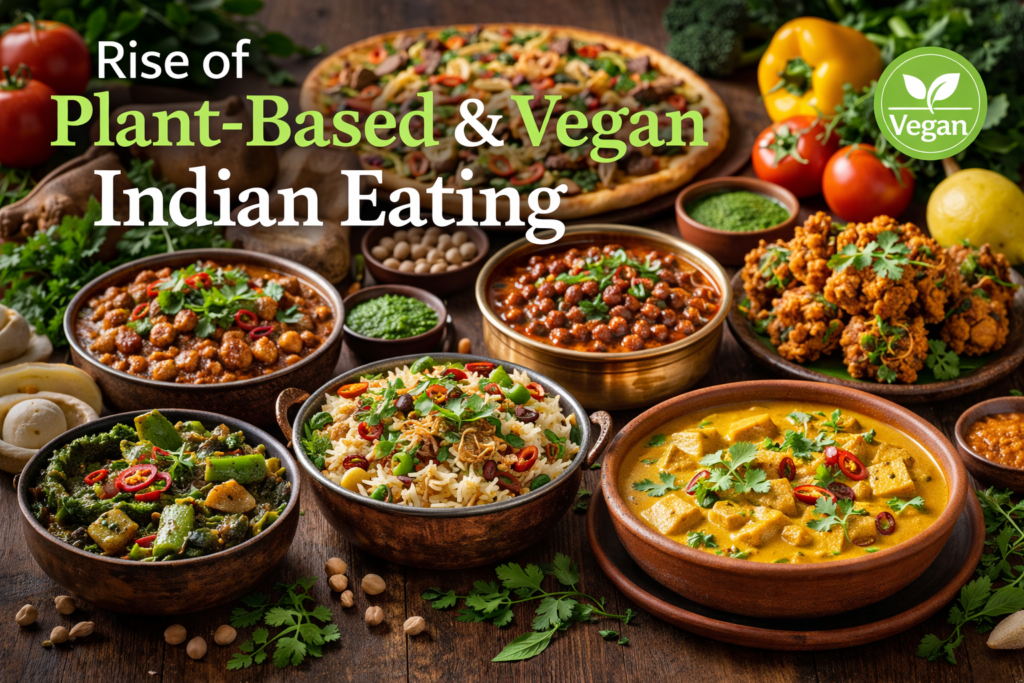
🌱 3. Rise of Plant-Based & Vegan Indian Eating
Plant-based diets are growing rapidly due to health consciousness, ethical considerations, and climate benefits.
✔ Why It’s Becoming a Major Trend
- Plant-based foods reduce carbon footprint
- Ideal for weight loss & heart health
- Easy adaptation using Indian recipes
- Younger generations driving the change
Popular Plant-Based Indian Foods in 2026
- Tofu tikka masala
- Vegan butter chicken (made with cashews or soy)
- Jackfruit biryani
- Mushroom galouti kebabs
- Vegan lassi made with almond/coconut milk
Healthy Indian eating is now deeply connected with plant-based lifestyles.
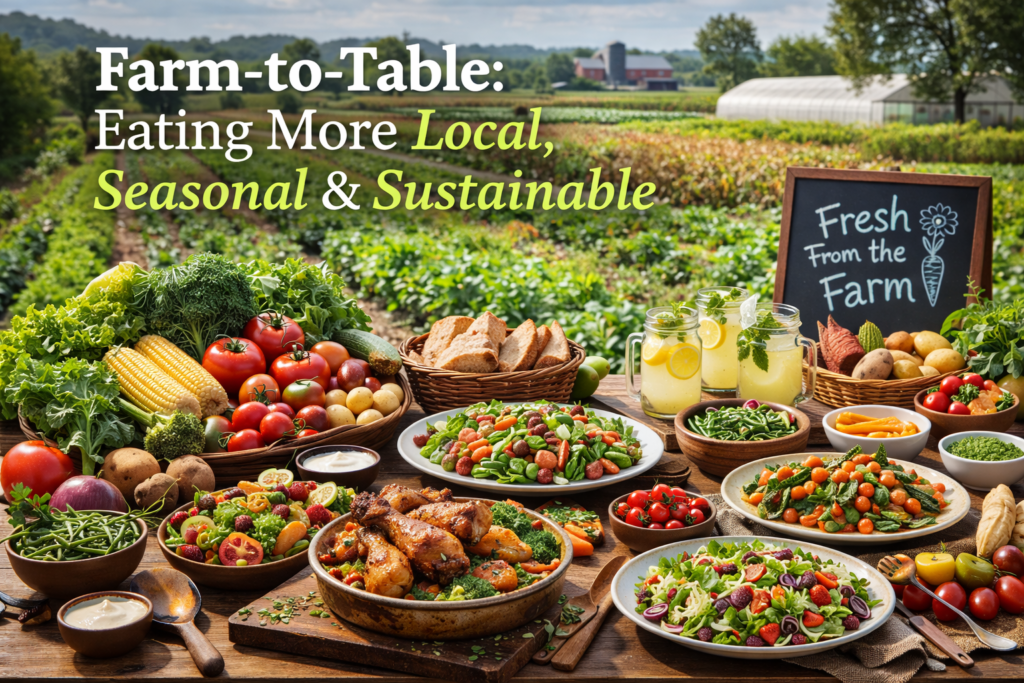
🍃 4. Farm-to-Table: Eating More Local, Seasonal & Sustainable
One of the strongest climate-conscious food trends is the focus on seasonal, regional, and locally sourced produce.
✔ Why This Matters
- Reduces carbon emissions from transportation
- Maximizes nutrients (foods are fresher)
- Supports Indian farmers
- Reduces dependency on high-impact imported foods
What Indians Are Choosing
- Local fruits instead of imported ones (e.g., jamun > blueberries)
- Seasonal vegetables for sabzis
- Locally sourced grains instead of polished rice
This trend improves personal health while supporting India’s sustainability goals.
🥥 5. Functional Foods for Immunity, Energy & Digestion
Functional foods are everyday foods enriched with health-boosting properties.
These include ingredients Indians have used for centuries.
Top Functional Foods in Healthy Indian Eating
- Turmeric (curcumin: anti-inflammatory)
- Ginger (digestion, nausea relief)
- Amla (vitamin C powerhouse)
- Ashwagandha (stress relief)
- Moringa (superfood leaves)
- Flaxseeds & chia seeds (plant-based omega-3)
- Ghee (healthy fats + digestion support)
Restaurants are also creating “functional menus” — turmeric lattes, moringa smoothies, amla shots, and seed-rich salads.
🍽️ 6. Low-Oil & Air-Fried Indian Cooking
Healthy Indian eating now includes air-frying, steaming, baking, and zero-oil recipes.
What’s Trending
- Air-fried pakoras
- Oil-free sabzis using water sauté
- Steamed idlis & handvo
- Jaggery-based sweets instead of sugar-loaded ones
This modern approach keeps flavor but greatly reduces calories.
♻️ 7. Zero-Waste Indian Cooking (Climate-Conscious Trend)
Indian households are adopting zero-waste practices inspired by traditional cooking.
Examples
- Using vegetable peels in chutneys
- Making stock from leftover vegetable scraps
- Reusing rice water (kanji)
- Sun-drying leftover food items
- Using banana leaves & earthen pots instead of plastic
This trend promotes sustainable, planet-friendly eating.
🍵 8. Herbal & Functional Beverages Replace Sugary Drinks
Healthy Indian eating in 2026 includes homemade, functional beverages.
Trending Drinks
- Kadha (herbal decoction)
- Turmeric latte (haldi doodh)
- Tulsi and ginger tea
- Amla shots
- Sattu drink (high-protein summer drink)
- Coconut water + mint infusion
These replace unhealthy sodas and energy drinks.
🌶️ 9. Traditional Indian Superfoods Return to Popularity
India’s ancient superfoods are making a comeback.
Growing List of Indian Superfoods
- Makhanas (fox nuts)
- Sprouted beans
- Bajra and jowar bowls
- Gond (edible gum)
- Red rice
- Black rice
- Sesame seeds
These nutrient-dense foods are low-cost and sustainable.
🧂 10. Smart Portion Control & Balanced Thalis
Indian thalis are being restructured to improve daily nutrition.
What’s Changing
- More vegetables
- Less oil
- Balanced carbs
- More protein (lentils, tofu, paneer, sprouts)
- Millet rotis replacing wheat rotis
Healthy Indian eating is becoming holistic and mindful.
🧠 Why Healthy Indian Eating Is the Future
The shift toward healthy, functional, and climate-conscious Indian eating is happening because:
- People want longer, healthier lives
- Climate impact is becoming real
- Social media trends spread awareness
- Doctors recommend sustainable diets
- Traditional wisdom is being rediscovered
Healthy Indian eating is now a lifestyle movement, not a fad.
🙏 Conclusion: Eating Healthy the Indian Way
Healthy Indian Eating in 2026 blends tradition + science + sustainability. Whether it’s millets, fermented foods, plant-based dishes, functional herbs, or eco-friendly cooking — India is moving toward a healthier, smarter, and climate-conscious food culture.
This is the perfect time to embrace a lifestyle that benefits your body, your family, and the planet.
Eat local. Eat mindful. Eat healthy — the Indian way.
You can explore more about certified healthy eating habits and government guidelines on the official website: https://eatrightindia.gov.in.
In my guide to Delhi Street Food Culture, I explored how historic spots in Old Delhi still use traditional fermentation methods. Please Visit.

Leave a Reply