
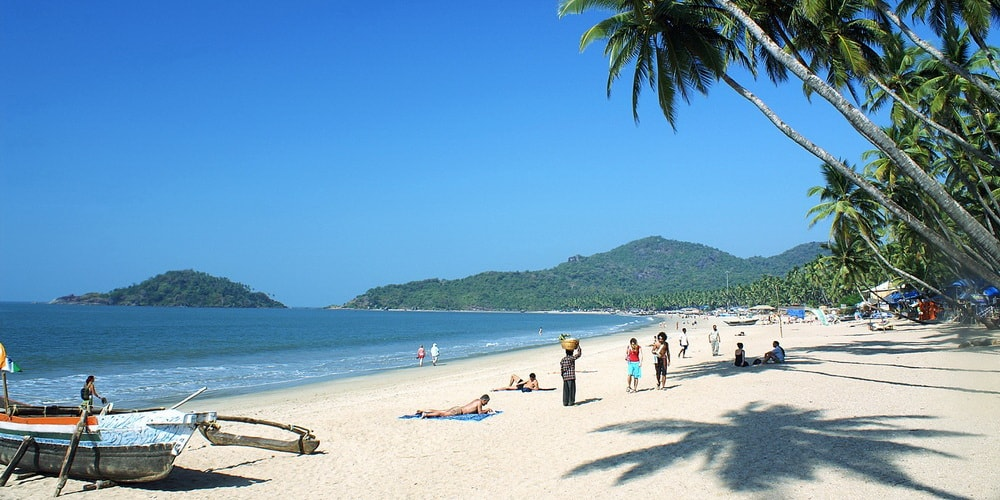
If you’re planning a beach holiday in India, this Goa Travel Guide is your one-stop blueprint. Goa isn’t just “North Goa parties vs South Goa peace” anymore—it’s a compact state packed with heritage towns, forested waterfalls, island ferries, spice farms, quiet villages, and some of India’s most iconic beaches.
In this Goa Travel Guide, you’ll find:
- Famous places and beaches across every major region of Goa
- Must-try Goan local food
- A realistic look at Goa’s lifestyle and culture
- The reasons behind the recent “decline” perception in Goa tourism (and what’s actually happening)
North Goa (Bardez + Pernem): Iconic Beaches, Forts, Night Markets, Nightlife
North Goa is where first-time visitors usually begin. It’s lively, crowded in peak season, and full of “postcard Goa” spots.
Famous Beaches in North Goa
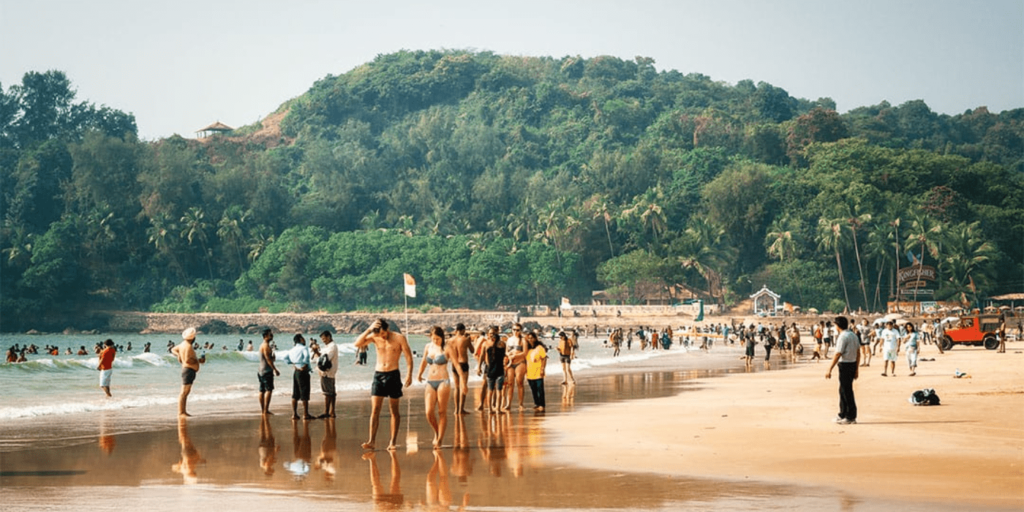
Don’t miss these beaches in your Goa Travel Guide list:
- Calangute Beach – classic tourist belt, water sports, busy evenings
- Baga Beach – nightlife, beach shacks, Tito’s lane vibe nearby
- Candolim Beach – long stretch, slightly calmer than Baga/Calangute
- Sinquerim Beach – close to forts and luxury stays
- Anjuna Beach – boho cafés, rocky edges, sunset scenes
- Vagator Beach – dramatic cliffs, sunset points
- Morjim Beach – relaxed, family-friendly, wide sands
- Ashwem + Mandrem – quieter “slow Goa” beaches
- Arambol Beach – backpacker vibe, cafés, paragliding seasonally
Top Places to Visit in North Goa
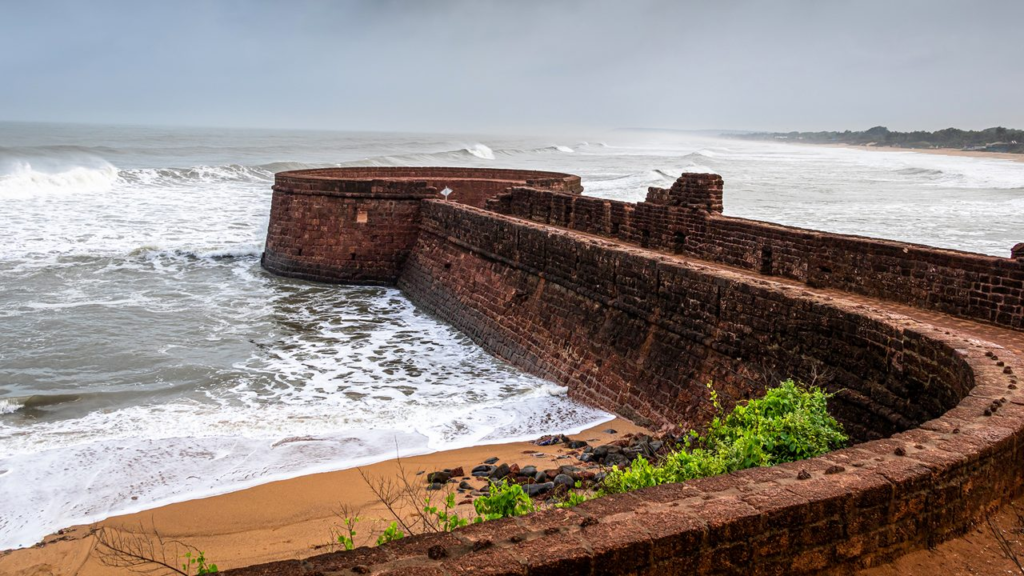
- Fort Aguada (Candolim/Sinquerim) – lighthouse views + history
- Chapora Fort (Vagator) – famous viewpoint and sunset climb
- Reis Magos Fort – beautifully restored fort near the Mandovi
- Anjuna Flea Market – shopping, souvenirs, boho street culture
- Saturday Night Market (Arpora) – food + music + shopping vibe (seasonal)
- Dudhsagar-like nature? Not here—North Goa is more coastal; for waterfalls head east/south.
Local tip (from this Goa Travel Guide): If you want North Goa but hate crowds, stay around Morjim/Ashwem/Mandrem and do “day trips” to Baga/Anjuna.
Central Goa (Panaji + Taleigao + Dona Paula + Miramar): City, Riverfront & Easy Day Trips
Central Goa is where you feel the state’s everyday rhythm—government offices, colleges, promenades, cafés, and riverside evenings.
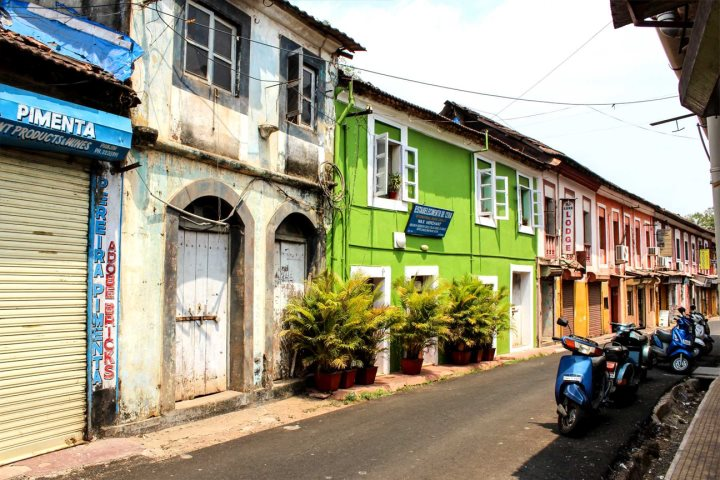
Must-Visit Spots in and Around Panaji
- Panaji (Panjim) Latin Quarter – Fontainhas: colorful Portuguese-era lanes
- Miramar Beach: breezy city beach (best for sunsets, not swimming)
- Dona Paula Viewpoint: sea meeting river views
- Mandovi River Cruise (Panaji): easy evening plan for families
- Kala Academy area: cultural events and pleasant evening walks (when events are on)
This part of your Goa Travel Guide is perfect if you want beaches + city convenience + quick access to both North and South.
Old Goa (Velha Goa): Churches, UNESCO-Style Heritage, History
If you think Goa is only beaches, Old Goa will change your mind.
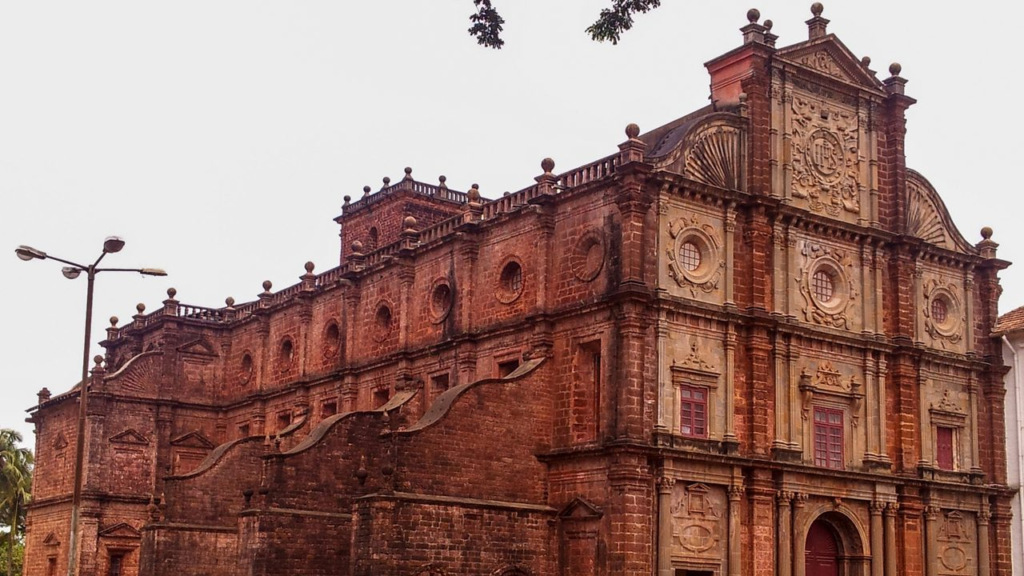
Famous Places in Old Goa
- Basilica of Bom Jesus – one of the most iconic heritage sites in Goa
- Se Cathedral – grand architecture
- Church of St. Cajetan – beautiful façade and calm interiors
- Archaeological Museum & surrounding heritage lanes
Add Old Goa to your Goa Travel Guide especially if you’re traveling with parents, kids, or anyone who enjoys history and architecture.
East & Hinterland Goa (Ponda, Bicholim, Sattari, Sanguem): Temples, Spice Farms, Waterfalls, Nature
This is the “green Goa”—less Instagram-hyped, but deeply rewarding.
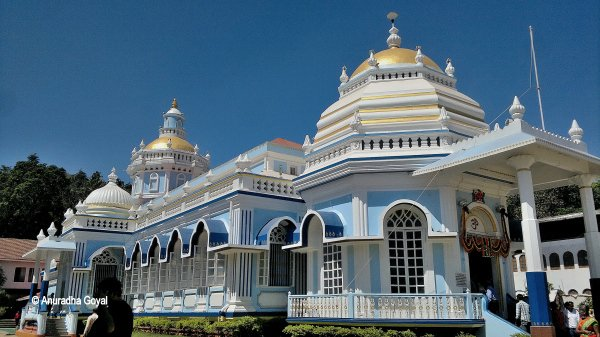
Ponda: Temples + Spice Farms
- Mangueshi Temple and Shantadurga Temple – major spiritual landmarks
- Spice plantations – guided tours, traditional meals, and farm walks
North-East Goa (Bicholim/Sattari): Waterfalls & Forest Roads
- Arvalem Waterfall (near Sanquelim) + Arvalem Caves
- Mhadei/Sattari region viewpoints – monsoon beauty and quiet drives
South-East Goa (Sanguem): The Big Nature Ticket
- Dudhsagar Falls (near Mollem) – Goa’s most famous waterfall experience (seasonal access rules vary)
Local tip (Goa Travel Guide): If you’re visiting in monsoon, the hinterland becomes magical—waterfalls, mist, and village roads feel cinematic.
South Goa (Salcete + Canacona): Calm Beaches, Heritage Homes, Nature & Slow Days
South Goa is the “exhale.” Quieter beaches, more space, and a calmer pace.
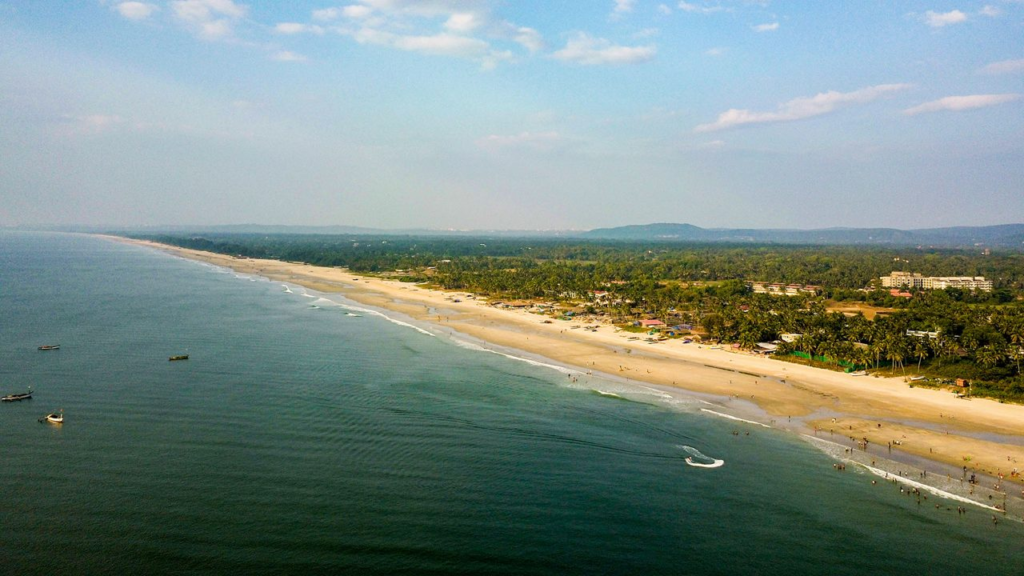
Famous Beaches in South Goa
Make sure your Goa Travel Guide includes these:
- Colva Beach – popular, wide, family friendly
- Benaulim Beach – calm + great for relaxed swims (conditions permitting)
- Varca Beach – long and peaceful
- Cavelossim + Mobor – river meets sea vibes and premium stays
- Majorda + Utorda + Arossim – soft sands, less chaos
- Bogmalo Beach – close to the airport, scenic bay
- Palolem Beach (Canacona) – postcard crescent shape, kayaking, sunset
- Patnem Beach – quieter alternative to Palolem
- Agonda Beach – calm, long walks, simple cafés
- Cola Beach – lagoon-like feel (more secluded)
- Galgibaga Beach – remote, peaceful, nature-first vibe
- Betul Beach – calm and under-visited
Famous Places in South Goa (Beyond Beaches)
- Cabo de Rama Fort – dramatic views, quiet history
- Cotigao Wildlife Sanctuary – forest trails, nature time
- Chandor / Loutolim heritage areas – old Goan homes and village charm (great for culture lovers)
If your goal is “real rest,” South Goa should dominate your Goa Travel Guide itinerary.
Goa Local Food: What to Eat (and What It Tells You About Goa)
Goan cuisine is a delicious mix of Konkan coastal tradition + Portuguese influence.
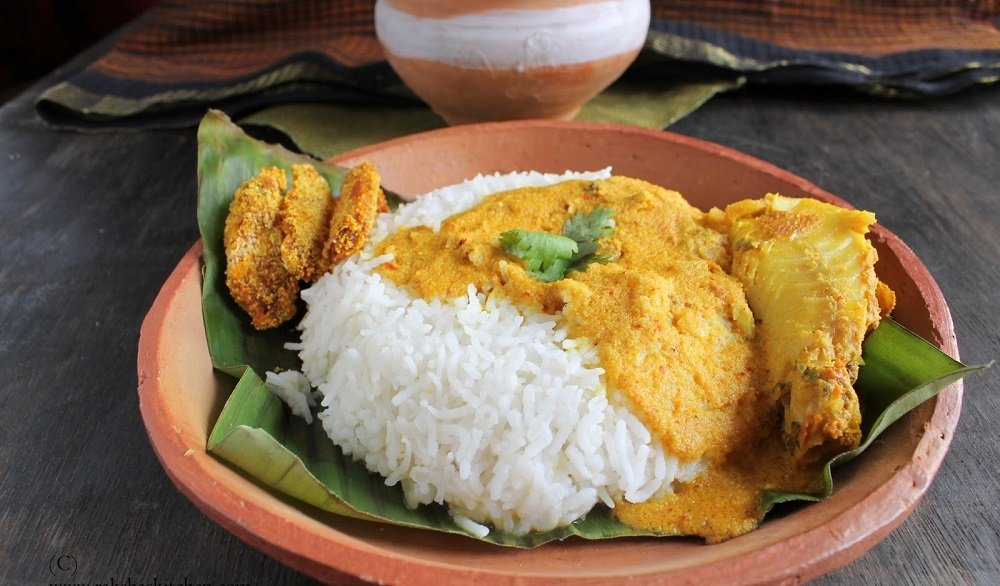
Must-Try Goan Dishes
- Fish Curry Rice – the everyday Goan comfort meal
- Prawn / Chicken Xacuti – rich, roasted-spice gravy
- Pork Vindaloo – tangy, spicy, bold (Goa classic)
- Sorpotel – festive pork dish, often with sannas
- Chicken Cafreal – green masala, pan-fried/grilled style
- Recheado Fish (stuffed/spiced) – especially on coastal menus
- Bebinca – iconic layered dessert
- Dodol – sweet, dense festive treat
- Poi + local breads – bakery culture is real in Goa
- Cashew Feni – Goa’s signature spirit (try responsibly)
Goa Travel Guide food tip: In coastal villages, the simplest place with fresh catch can beat the fanciest menu. Ask what’s fresh today.
People & Lifestyle in Goa: The “Susegad” Rhythm
To understand Goa, you need to understand the pace.
- Susegad culture: relaxed, unhurried, “take it easy” energy
- Community life: village feasts, church festivals, temple jatra, music evenings
- Work and daily rhythm: tourism is big, but fishing, small businesses, and local markets still shape daily life
- Architecture and identity: Portuguese-influenced homes, red laterite stone, tiled roofs, and inner courtyards
- Evenings matter: Goans love breezy evening meet-ups—by the beach, river, or local café
A good Goa Travel Guide isn’t just sightseeing—it’s slowing down enough to feel Goa.
Why the “Recent Decline” in Goa Tourism Is Being Talked About
Here’s the honest picture: Goa has not vanished from the tourism map—in fact, official and reported figures show strong domestic volumes in recent years—but many travelers feel Goa has become less “value-for-money” or less “easy” than before. Goa Tourism+2The Indian Express+2
1) Overcrowding in Peak Season (and the “too commercial” feeling)
Some of the most famous North Goa belts get extremely packed in December–January, which reduces the “relaxing beach holiday” experience. Hotelier India+1
2) Peak-season overpricing
A recurring complaint is high prices for stays, food, and local experiences during peak weeks—pushing budget travelers to alternatives. Goa Travel News on Gomantak Times+1
3) Negative publicity: taxi hassles/scams and visitor experience friction
Reports and viral incidents about taxi pricing disputes/scams have hurt perception, especially among first-time visitors who compare Goa with destinations where app cabs are smooth. www.ndtv.com+1
4) Safety and regulation crackdowns (especially nightlife venues)
Recent news about fire-safety checks and closures in some nightlife spots has added to the “something’s off” narrative. Safety enforcement is good—but repeated incidents affect confidence. The Economic Times+2The Economic Times+2
5) International tourism softness + global disruptions
While domestic numbers are strong, foreign tourist patterns have been uneven compared with pre-pandemic peaks, influenced by connectivity, costs, and geopolitical disruptions impacting some travel flows. The Indian Express+1
6) Competition from “new beach alternatives”
Indian travelers today compare Goa with budget-friendly international beach destinations and also with rising domestic alternatives. This doesn’t kill Goa—but it changes expectations.
Bottom line in this Goa Travel Guide: Goa isn’t “over.” But the best Goa experience now requires smarter planning: right region, right season, and realistic budgeting.
Suggested 4–6 Day Plan (Quick Itinerary Idea)
- Day 1–2 (North Goa): Candolim–Sinquerim, Fort Aguada, Anjuna/Vagator sunset, night market
- Day 3 (Old Goa + Panaji): Bom Jesus, Se Cathedral, Fontainhas walk, Miramar sunset
- Day 4 (Hinterland): Ponda temples + spice farm (or Dudhsagar if accessible)
- Day 5–6 (South Goa): Colva/Benaulim/Varca + Cabo de Rama + Palolem/Agonda
FAQs
Which part is best for families?
This Goa Travel Guide recommends South Goa (Varca, Benaulim, Cavelossim, Agonda) for space, calm, and relaxed days.
Which beaches are best for sunsets?
Vagator/Chapora side, Anjuna rocks, Miramar/Dona Paula viewpoints, and Agonda’s long horizon views.
When is the best time to visit Goa?
Peak season (Dec–Jan) is energetic but crowded. Shoulder seasons can feel better for value and comfort.
Conclusion: Goa Is Still Goa—Just Choose the Right Version of It
The best way to enjoy Goa in 2026 is to treat it like multiple destinations in one state. Use this Goa Travel Guide to pick your mix: North Goa energy, Panaji heritage cafés, Old Goa history, hinterland waterfalls, and South Goa calm beaches. If you plan region-wise and avoid peak-week traps, Goa can still feel magical.
If you enjoy exploring diverse Indian destinations, don’t miss our detailed Arunachal Pradesh Travel Guide for a completely different mountain and cultural experience.
Leave a Reply