
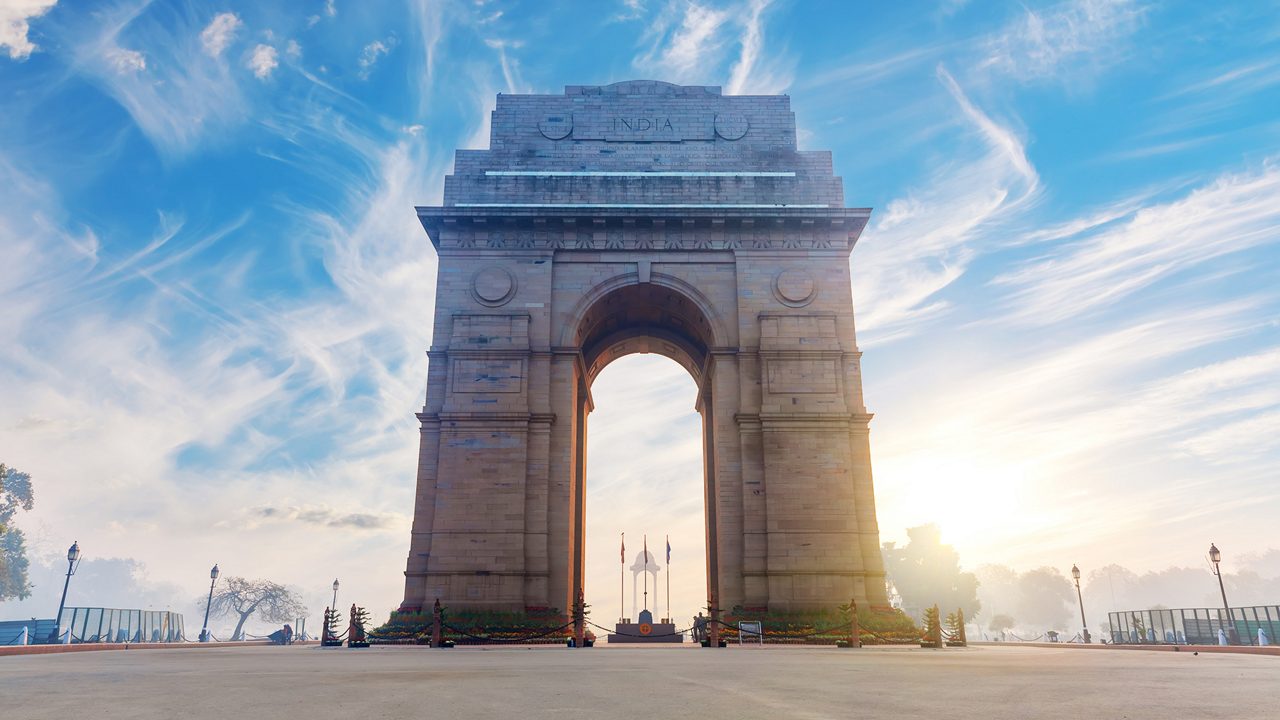
Delhi Street Food Culture thrives on chaos, flavor, and history, making it one of the most exciting culinary experiences in India.
It roars, especially when you step into its streets at peak hour—oil crackling in iron kadhais, vendors hollering over the clamor of buses, and the aroma of frying spices drifting like warm incense through the air. Somewhere between a honking auto-rickshaw and a man expertly tossing dough mid-air, you realize: Delhi’s street food isn’t just cuisine—it’s theatre, tradition, and unapologetic chaos served on a steel plate.
This guide is your passport into that world. A blend of travelogue and practical direction, it walks you through the alleys, flavors, legends, and smart tips you need to survive—and savor—the capital’s most iconic street food experiences.
Exploring Delhi Street Food Culture: Old Delhi vs. New Delhi
Delhi is a city that wears two different faces, each telling its own culinary story. Both Old Delhi and New Delhi showcase different expressions of Delhi Street Food Culture, from Mughal-era traditions to modern interpretations.
Old Delhi is a maze of emotion. Step into Chandni Chowk, and everything competes for your attention: the clang of metal ladles against deep woks, the sweet scent of cardamom drifting from boiling milk, the sight of jalebis twisting in sizzling ghee, and the crowds moving like a single living organism. Here, food is not a trend—it’s heritage cooked daily, passed down from Mughal kitchens to modern hands.
Move into New Delhi, and the chaos softens just enough for you to breathe without losing the thrill. In Lajpat Nagar, shoppers squeeze between stalls, stopping for pani puri or shawarma before bargaining again. Connaught Place brings a cleaner, more open architecture, yet its lanes still hide chaat vendors who carry forward decades of tradition. It’s modern, yet tethered tightly to timeless flavors.
Whether you crave the raw intensity of Old Delhi or the structured sprawl of New Delhi, one truth remains:
You come here to eat with your whole heart.
The Titans of Delhi Street Food (The Must-Eats)
These dishes are the legends—the flavors that shaped Delhi’s identity and continue to lure travelers from every corner of the world.
The Chaat Chronicles (Golgappe & Aloo Tikki)
If there is one place where Delhi Street Food Culture truly dances on your tongue, it’s at the chaat stalls scattered across the city.
A single golgappa can jolt your senses awake with its tangy, spicy pani that floods your mouth the moment the crisp shell cracks. At places like Prabhu Chaat Bhandar or the bustling corners of UPS Bhawan, you’ll see people lined up in an unspoken ritual: one gulp, one gasp, one smile.
Then comes the Aloo Tikki—a golden-fried potato puck smashed open and drenched in chilled yogurt, fiery mint chutney, smoky roasted cumin, and a seductive drizzle of sweet tamarind. It’s hot and cold, soft and crisp, sweet and sharp—all playing together like a street-side orchestra.
Delhi may have changed over the centuries, but chaat remains its eternal love language.
Chole Bhature: The Breakfast of Champions
If Delhiites ever crowned a breakfast king, Chole Bhature would wear the throne. No conversation about Delhi Street Food Culture is complete without mentioning the iconic Chole Bhature eaten across the city every morning.
Imagine a giant balloon of dough, fried until puffy and blistered, arriving beside a bowl of dark, spicy chickpeas simmered with garlic, ginger, and secret masalas known only to a few ancient kitchens. It’s indulgent, messy, and wonderfully overwhelming—no one eats chole bhature with restraint.
Visit Sita Ram Diwan Chand in Paharganj or the beloved Bhature joints of Lajpat Nagar early in the morning, when the air is cool, and the bhaturas are fluffiest.
This isn’t breakfast—it’s a Delhi rite of passage.
The Meat Lover’s Paradise (Jama Masjid Area)
When night falls over Old Delhi, Jama Masjid becomes a kingdom of smoke and spice. The Jama Masjid area is a cornerstone of Delhi Street Food Culture, especially for travelers seeking smoky kebabs and slow-cooked Mughlai dishes.
Vendors ignite their charcoal grills, sending up clouds perfumed with marinated meats. Seekh kebabs sizzle, nihari bubbles like molten gold, and stacks of warm rumali rotis fold like silk in the hands of masters.
Walk toward Karim’s, a culinary institution tracing back to 1913, and you’ll understand why this neighborhood is sacred to meat lovers. The kebabs melt before you even begin chewing—soft, smoky, seasoned with the history of royal Mughal kitchens. Each plate is a chapter of Delhi’s Muslim culinary heritage, served with quiet pride as the azaan echoes through the evening.
This is not food.
This is pilgrimage.
Paranthe Wali Gali: A Lane of Stuffed Legends
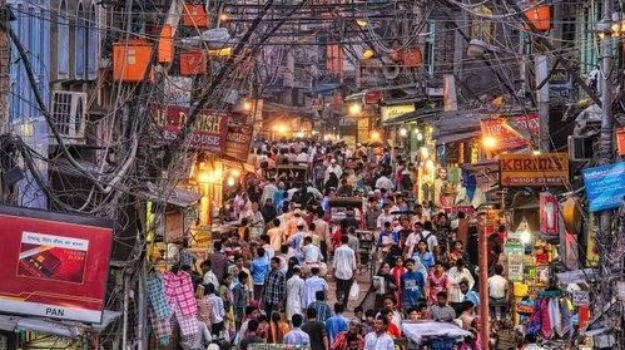
In the dense arteries of Chandni Chowk lies a lane that has reached legendary status: Paranthe Wali Gali. Paranthe Wali Gali remains one of the most photographed and celebrated lanes in Delhi Street Food Culture.
Here, parathas are deep-fried—yes, deep-fried—resulting in stuffed breads that crackle at the edges yet stay soft within. The fillings are as diverse as Delhi’s people: potatoes, paneer, lentils, cauliflower, and even sweet offerings like banana or rabri.
You sit elbow-to-elbow with strangers on narrow benches, dipping hot parathas into tangy chutneys and pickles. The heat, the chatter, the aroma of ghee—it’s communal eating in its most primal and joyful form.
Sweet Endings (Jalebi & Kulfi)
Delhi’s desserts are not shy. They arrive hot, cold, sticky, indulgent, and absolutely unforgettable.
The jalebi, glowing orange and hypnotically twisted, is fried until crisp before being submerged in warm sugar syrup. One bite and it snaps delicately before melting into syrupy bliss. Old Famous Jalebi Wala in Dariba Kalan makes jalebis that taste like they were invented by alchemists rather than chefs.
And then comes kulfi—dense, fragrant, impossibly creamy. Cooked slowly to reduce milk into velvet, infused with cardamom, saffron, pistachio, or rose, it’s served on a stick or in a clay pot.
At Roshan Di Kulfi in Karol Bagh, the kulfi falooda is so iconic it practically has its own fan club.
If you leave Delhi without tasting kulfi, the city will consider your trip incomplete.
Practical Tips for the Street Food Traveler
Delhi rewards curious food lovers—but to enjoy the experience safely, a little wisdom goes a long way.
1. Choose Busy Stalls
Crowds mean fresh turnover and trusted quality. A line of locals is the best review system in the world.
2. Be Water Smart
Avoid tap water, street-side ice, and raw chutneys that may be diluted. Stick to bottled water, canned drinks, or hot beverages.
3. Know the Best Times
- Old Delhi: Visit in the late afternoon or early evening when grills are firing and snacks are hot.
- Chole Bhature: Best before noon when bhaturas are puffiest.
- Chaat: Late afternoon is prime time for freshness and flavor balance.
4. Ease Into the Heat
Not everyone is ready for Delhi-level spice on day one. Start with parathas or kebabs before leaping into chaats soaked in multiple chutneys.
5. Carry Cash & Small Notes
Street vendors often rely on cash transactions, though many now accept UPI payments.
6. Trust Your Senses
If something looks old, smells off, or doesn’t feel right—walk away. Delhi has countless options.
Top 5 Legendary Stalls to Bookmark
- Karim’s (Jama Masjid) – A Mughlai icon since 1913, serving kebabs and curries that define Old Delhi.
- Natraj Dahi Bhalle Wala (Chandni Chowk) – The creamiest dahi bhallas and crisp aloo tikkis in the city.
- Old Famous Jalebi Wala (Dariba Kalan) – Heritage jalebis that crackle with caramelized joy.
- Sita Ram Diwan Chand (Paharganj) – Benchmark-setting chole bhature worth lining up for.
- Prabhu Chaat Bhandar (UPS Bhawan) – The VIP of golgappas and bhalla papdi among Delhi locals and office-goers.
Conclusion: Go Get Lost. Go Get Hungry.
Delhi’s street food is not meant for quiet dining or careful nibbling.
It’s meant to be chased down alleys, devoured between conversations, wiped off your chin, and remembered long after you’ve left the city.
Whether you’re weaving through Chandni Chowk at dusk or grabbing a late-night kulfi in Connaught Place, every bite is a lesson in history, geography, and the soul of Indian cooking.
So step out.
Get lost in the madness.
Let Delhi feed you the way only Delhi can—boldly, loudly, beautifully.
For more travel planning resources, visit the official Delhi Tourism website: Delhi Tourism
Read our blogs about various indian food cultures
Leave a Reply to Healthy Indian Eating: Functional & Climate-Conscious Food Trends (2026 Guide) Cancel reply