
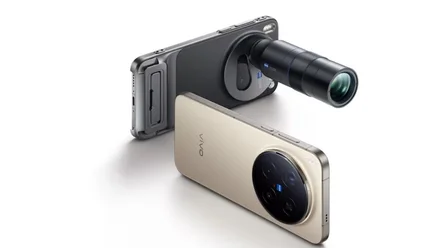
Welcome to our in-depth Vivo X300 Pro review, where we determine if this new flagship is just a spec-sheet monster or the daily driver you have been waiting for. It is December 2025, and the smartphone cycle has officially reset. Just when we thought the “Ultra” wars couldn’t get more intense, Vivo India dropped the X300 Pro earlier this week.
Vivo X300 Pro Review: Stunning 200MP Zoom and Insane Battery Life
I have spent the last few days with this device to curate this Vivo X300 Pro review, migrating fully from my previous flagship, and I have some thoughts.
Priced around ₹1,09,999, the X300 Pro isn’t shy about being a premium device. It’s expensive, it’s heavy, and it promises the moon. But does it actually deliver? Let’s break it down in this Vivo X300 Pro review, not just by the numbers, but by how it actually feels to live with.
Design and Display: The “Quad-Curve” Refined
The first thing you notice when you pick up the X300 Pro is the heft. Weighing in at roughly 226g, it’s a substantial slab of glass and metal. It feels dense and expensive. However, a key observation in our Vivo X300 Pro review is that Vivo has refined the ergonomics this year.
The screen is what they call a “Quad Micro-Curve.” It looks almost flat when you are staring directly at it—which is great for avoiding accidental touches—but the glass spills ever so slightly over the four edges, making swipe gestures from the sides or bottom feel incredibly smooth.
The display itself is a 6.78-inch BOE Q10+ LTPO OLED panel. If you are coming from the X200 series, you might not notice a massive leap in resolution (it’s still a crisp 1.5K), but the brightness is where the magic happens.
Outdoor visibility is startlingly good. As I conducted the outdoor tests for this Vivo X300 Pro review, I was using Google Maps under direct noon sunlight in Mumbai, and I didn’t have to squint once. The colors are punchy but not radioactive, thanks to the Zeiss natural color calibration which seems to have gotten even better this generation.
Performance: The Dimensity 9500 is a Beast
For years, there was a stigma that if you wanted the “best” performance, you bought a phone with a Snapdragon chip. I think 2025 is the year that argument finally dies. The Vivo X300 Pro runs on the MediaTek Dimensity 9500, a 3nm chipset that is frankly overkill for 99% of users.
I threw everything at this phone during my Vivo X300 Pro review process. I rendered 4K videos in CapCut while downloading heavy assets in the background. I played Genshin Impact at max settings for an hour. The phone got warm near the camera module, sure, but it never stuttered or dropped frames significantly.
The animations on Android 16 (layered with Funtouch OS) are fluid. Apps open instantly. The RAM management (16GB on my unit) is aggressive but effective; I found apps I opened yesterday morning still sitting in memory exactly where I left them.
The Cameras: Simply Unmatched
Let’s be honest: you are reading this Vivo X300 Pro review primarily for the cameras. Vivo has staked its entire reputation on imaging, and the X300 Pro is currently the phone to beat.
The Main Shooter: The 50MP Sony LYT-828 sensor is fantastic. It features a variable aperture that helps remarkably in varying lighting conditions. Daylight shots are rich and detailed, with excellent dynamic range. But it’s the low light where Vivo flexes. The “night mode” barely needs to trigger because the sensor pulls in so much light naturally. Shadows have information, highlights aren’t blown out, and noise is non-existent.
The Star of the Show (The Telephoto): The 200MP periscope lens is the reason you buy this phone. It uses the Samsung ISOCELL HP9 sensor, similar to its predecessor, but the processing algorithms have matured significantly.
At 3.7x optical zoom, portraits look like they were taken with a dedicated mirrorless camera. A consistent highlight throughout my Vivo X300 Pro review period was the separation between the subject and the background; it is creamy and natural, not the jagged artificial cutout look you still get on many competitors.
But the real shocker is the digital reach. I took shots at 10x and even 20x zoom at a concert, and the images were genuinely usable. Vivo’s “Telephoto Macro” mode also returns, allowing you to focus on objects just a few centimeters away using the zoom lens. It creates a stunning perspective for food photography or textures.
The Weak Link: If I have to nitpick this Vivo X300 Pro review, it’s the Ultrawide. The 50MP Samsung JN1 sensor is fine, but it’s definitely a step down from the other two lenses. In low light, it struggles a bit more with edge softness. It’s good, but it’s not “Pro” in the same way the telephoto is.
Battery Life: The Game Changer
This is where the X300 Pro truly surprised me. Flagship phones usually have mediocre battery life because of the powerful processors and bright screens. However, a major finding of our Vivo X300 Pro review is the inclusion of a massive 6,510mAh silicon-carbon battery crammed into this chassis.
The endurance is phenomenal. My day starts at 7:00 AM. I use 5G heavily, stream music via Bluetooth, watch YouTube during my commute, and take dozens of photos. On a typical day, I would reach for a charger by 8:00 PM with 15% left on most phones. With the X300 Pro, I am hitting 10:00 PM with 35-40% still in the tank. It is genuinely a two-day phone for moderate users.
Charging is handled by the 90W FlashCharge brick included in the box (thank you, Vivo). It takes about 40 minutes to go from 0 to 100%. Wireless charging is rated at 40W, which is convenient if you have a compatible dock at your desk.
Software: The Elephant in the Room
The hardware is a 10/10, but the software is a 7/10. No Vivo X300 Pro review would be honest without addressing Funtouch OS. The phone launches with Android 16 out of the box. While Funtouch OS has improved—it’s cleaner and has less bloatware than before—it still feels a bit visually cluttered compared to the hardware’s premium feel.
There are still a few pre-installed apps you’ll want to delete immediately. However, the customization options are endless. You can tweak animations, lighting effects for notifications, and lock screen styles to your heart’s content. It’s functional and fast, but it lacks the polish of a Pixel or the ecosystem integration of a Samsung.
The Verdict
To conclude this Vivo X300 Pro review, the device is not perfect. The software quirks and the “good but not great” ultrawide camera prevent it from achieving a perfect score. However, it excels brilliantly at the things that matter most to power users in 2025: battery life and zoom photography.
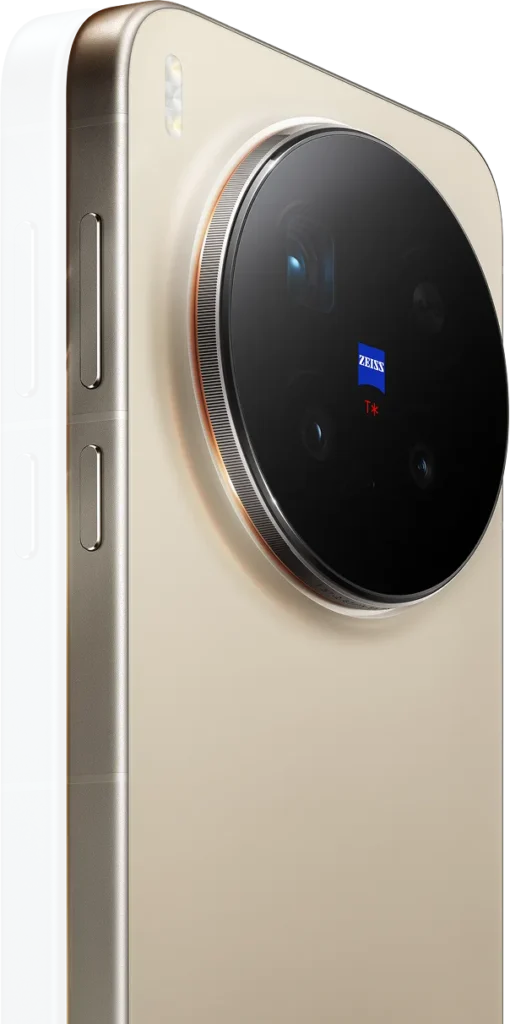
If you are a parent wanting to capture your kids from a distance, a concert-goer, or just someone who hates carrying a power bank, this is the phone to get. As we wrap up our Vivo X300 Pro review, it is clear that the Dimensity 9500 ensures it will remain fast for years, and that 200MP telephoto camera is currently the most fun piece of tech in the mobile industry.
Pros:
- Incredible battery life (6,510mAh is a game-changer).
- The best telephoto/portrait camera on the market.
- Bright, vivid display with great outdoor visibility.
- Performance overhead for years to come.
Cons:
- Funtouch OS still needs visual refinement.
- Ultrawide camera is average compared to the main sensors.
- It is heavy and the camera bump is massive.
Score: 4.5/5
Also, we have reviewed Oneplus 15 recently. Please do visit
Leave a Reply to Complete Review: Meta Ray-Ban Smart Glasses – Are They Worth It? Cancel reply